
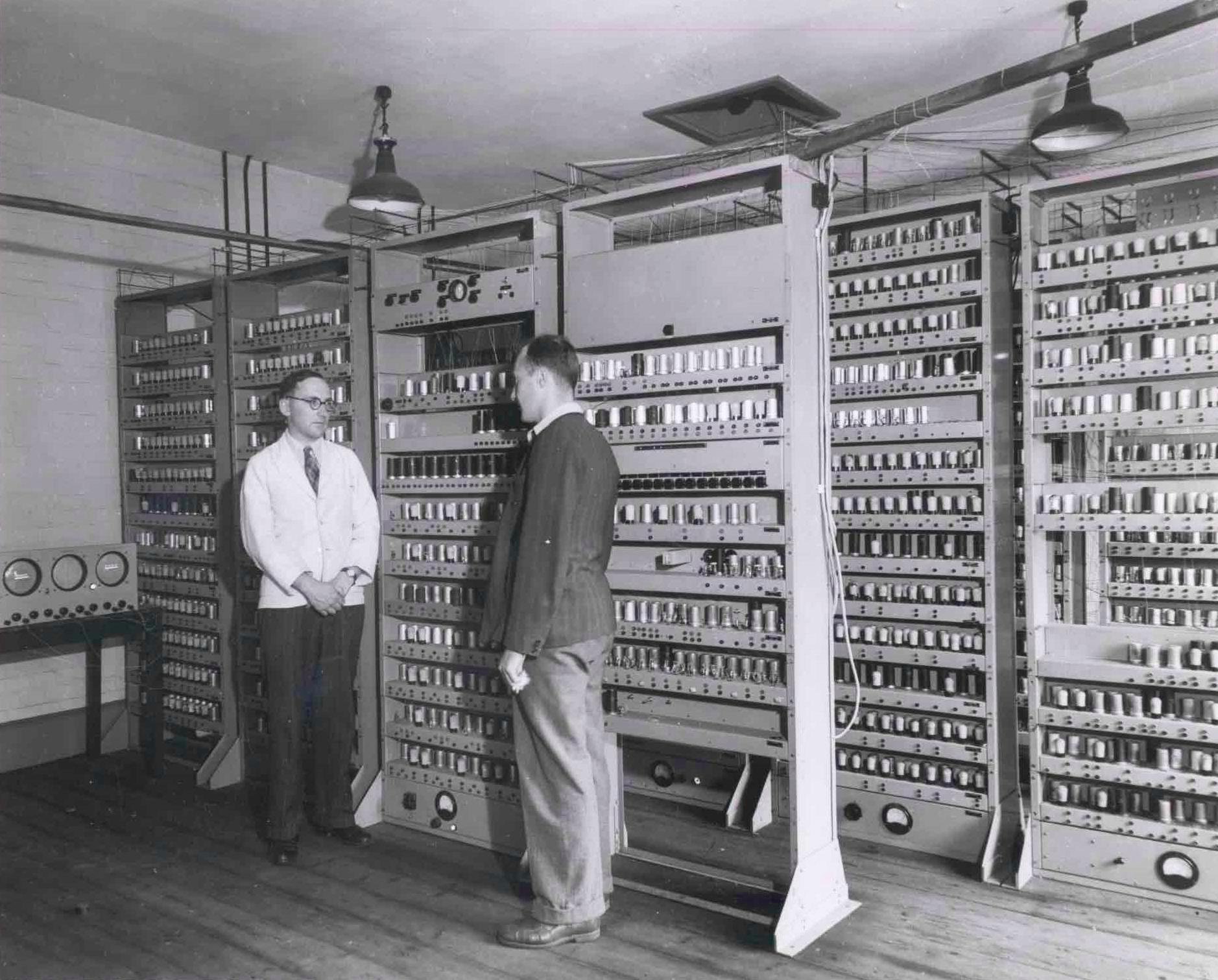
The EDVAC, a groundbreaking early electronic computer, revolutionized data processing. Developed in the late 1940s, it laid the foundation for modern computing. EDVAC’s stored-program concept set the stage for the computers we use today. The innovative design enabled it to perform complex calculations with impressive speed and efficiency. Let’s delve into the story of EDVAC and explore its significant impact on the evolution of technology.

The Incredible World of EDVAC: A Journey into Early Computing
Welcome, young explorers, to the fascinating realm of early computing! Today, we embark on a thrilling adventure to uncover the secrets of one of the pioneers in the world of computers – the Electronic Discrete Variable Automatic Computer, also known as EDVAC. Strap on your imagination caps and get ready to dive into the exciting world of EDVAC!
What is EDVAC?
Imagine a magical machine that can think, solve problems, and perform complex calculations in the blink of an eye. That, my dear readers, is EDVAC! EDVAC was one of the first electronic digital computers designed in the mid-20th century. It was a groundbreaking invention that paved the way for the computers we use today.
The Birth of EDVAC
Our story begins in the 1940s when the brilliant minds at the University of Pennsylvania’s Moore School of Electrical Engineering set out to create a revolutionary machine that could process information faster and more efficiently than ever before. This ambitious project led to the birth of EDVAC.
One of the key figures behind the creation of EDVAC was John von Neumann, a Hungarian-American mathematician and computer scientist. Von Neumann’s visionary ideas and innovative concepts played a crucial role in shaping the design and architecture of EDVAC.
The Architecture of EDVAC
Now, let’s take a closer look at the inner workings of EDVAC. At the heart of this marvel of engineering was a central processing unit (CPU) that could execute instructions and perform arithmetic operations. EDVAC also featured a memory unit that stored both data and instructions, allowing for quick access to information.
One of the most revolutionary aspects of EDVAC’s architecture was its use of a binary system, where data and instructions were represented using only two symbols – 0 and 1. This binary system laid the foundation for modern digital computing and is still used in computers today.
The Impact of EDVAC
The introduction of EDVAC marked a significant milestone in the history of computing. This powerful machine revolutionized the way information was processed and laid the groundwork for the development of more advanced computers in the years to come. EDVAC’s influence can be seen in every aspect of modern computing, from smartphones to supercomputers.
EDVAC’s Legacy
Although EDVAC itself is no longer in operation, its legacy lives on in the countless innovations that it inspired. The principles and concepts pioneered by EDVAC continue to shape the field of computer science and drive technological advancements across the globe.
Exploring the World of Computing
As we conclude our journey into the world of EDVAC, I encourage you to continue exploring the endless possibilities of computing. Who knows what wonders and marvels the future holds in store for us?
Remember, young adventurers, the world of technology is vast and ever-changing. Just like the pioneers of computing who created EDVAC, you too can aspire to push the boundaries of what is possible and shape the future with your creativity and imagination.
Until next time, keep dreaming, keep exploring, and keep reaching for the stars!
Happy computing!
The first stored-program computer, which introduced the idea of a programmable processor, was EDVAC.
Frequently Asked Questions
What is EDVAC and how is it significant in computing history?
EDVAC, which stands for Electronic Discrete Variable Automatic Computer, was one of the earliest electronic computers designed in the 1940s. It was significant in computing history as it was the first computer to use the stored-program concept, where both data and instructions were stored in the same memory unit. This concept paved the way for modern computer architecture.
Who were the key figures behind the development of EDVAC?
The key figures behind the development of EDVAC were John von Neumann and his team at the Institute for Advanced Study in Princeton. Von Neumann played a crucial role in shaping the design and architecture of the computer, including the concept of stored programming.
What were some of the technical specifications of the EDVAC computer?
The EDVAC computer had a memory capacity of 1,000 44-bit words, operated at a speed of 1,000 operations per second, and used vacuum tubes for its electronic components. It utilized a binary system for data representation and processing, setting the standard for future digital computers.
Final Thoughts
In conclusion, ENIAC’s successor, EDVAC, revolutionized computing with its stored-program concept. EDVAC’s innovative design paved the way for modern computers by separating program instructions from data. Its impact extended beyond its era, influencing future computer architectures. The creation of EDVAC marked a significant milestone in the history of computing, shaping the evolution of technology for generations to come.


