
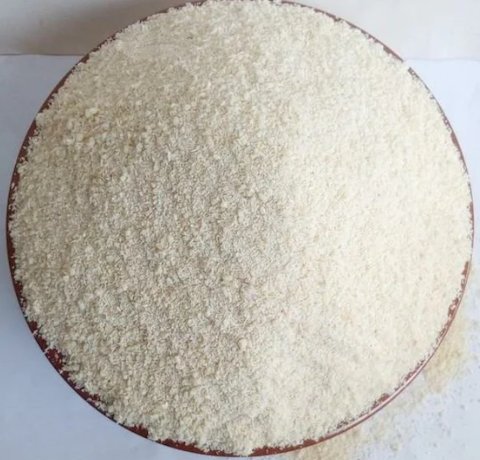
Ijebu Garri, the finest variety of garri produced in Nigeria, embodies the essence of a true delicacy. Sourced from the Ijebu region, this particular type of garri stands out for its exceptionally crunchy texture and unmistakable flavor. Known for its distinctive sour taste that sets it apart from other cassava flakes, Ijebu Garri is a beloved staple in many Nigerian households. A testament to the rich cultural heritage and culinary diversity of the region, Ijebu Garri symbolizes tradition, authenticity, and gastronomic delight all in one simple dish.

The Magic of Ijebu Garri: Unraveling Nigeria’s Treasure
Welcome, young explorers! Today, we are embarking on a fascinating journey into the heart of Nigeria to uncover the secrets of a beloved treasure – Ijebu Garri. This humble staple holds a special place in the hearts and homes of many Nigerians, and its story is as rich as its taste. Join me as we delve into the world of Ijebu Garri, from its origins to its various uses and cultural significance.
The Origins of Ijebu Garri
Let’s start our adventure by exploring the roots of Ijebu Garri. This iconic food item takes its name from the Ijebu people, an ethnic group in southwestern Nigeria known for their rich cultural heritage. Garri itself is a popular food made from cassava, a starchy root vegetable widely grown in Nigeria. The Ijebu variety of garri is renowned for its exceptional quality and unique production process, setting it apart from other types of garri found in the country.
The production of Ijebu Garri begins with the harvesting and peeling of cassava roots. The roots are then grated and fermented, a process that helps to reduce the cyanide content in the cassava and enhance its flavor. The grated cassava is then dried and milled to produce the fine, powdery texture that is characteristic of garri. The Ijebu variant is distinguished by its crispier texture and sour taste, which sets it apart from other types of garri.
The Culinary Delights of Ijebu Garri
Now that we understand how Ijebu Garri is made, let’s explore the many culinary delights it has to offer. One of the most popular ways to enjoy Ijebu Garri is as a simple yet delicious snack. This versatile food can be eaten dry, right out of the bag, or mixed with water and sugar to create a refreshing drink known as “garri-soakings.”
Another beloved way to savor Ijebu Garri is by turning it into the famous Nigerian dish, “garri fufu.” This hearty meal is made by mixing garri with hot water to form a smooth, dough-like consistency. Garri fufu is often served with rich and flavorful Nigerian soups, creating a satisfying and comforting meal that is enjoyed by many.
The Cultural Significance of Ijebu Garri
Beyond its culinary uses, Ijebu Garri holds a special place in Nigerian culture and traditions. For many Nigerians, garri is not just a food item but a symbol of resilience and resourcefulness. During periods of scarcity or economic hardship, garri has often served as a reliable source of sustenance, sustaining families through challenging times.
Garri is also a staple at social gatherings and celebrations, where it is shared among friends and family as a symbol of unity and hospitality. The act of offering garri to guests is a time-honored tradition that embodies the spirit of generosity and community that is deeply rooted in Nigerian culture.
Health Benefits of Ijebu Garri
While Ijebu Garri is cherished for its delicious taste and cultural significance, it also offers a range of health benefits. As a product of cassava, garri is rich in carbohydrates, making it a great source of energy. It also contains essential nutrients like fiber, potassium, and vitamin C, which are important for overall health and well-being.
Furthermore, the fermentation process involved in making garri helps to enhance its nutritional profile by increasing the bioavailability of certain nutrients. This makes garri not only a tasty treat but also a nutritious addition to a balanced diet.
Exploring the Versatility of Ijebu Garri
One of the most intriguing aspects of Ijebu Garri is its versatility in the kitchen. In addition to being enjoyed as a snack or a main meal, garri can also be used in a variety of creative ways in cooking. For example, it can be used as a crunchy coating for fried foods or as a thickening agent in soups and stews.
Garri can also be incorporated into desserts and baked goods, adding a unique texture and flavor to dishes like pancakes, cookies, and cakes. Its ability to enhance both sweet and savory dishes makes garri a favorite ingredient among home cooks and professional chefs alike.
Preserving the Legacy of Ijebu Garri
As we conclude our exploration of Ijebu Garri, it is important to recognize the significance of preserving this cherished food tradition for future generations. The art of making Ijebu Garri is a time-honored practice that has been passed down through generations, embodying the cultural heritage and culinary expertise of the Ijebu people.
By celebrating and supporting the production of Ijebu Garri, we can ensure that this beloved treasure continues to thrive and inspire communities for years to come. Whether enjoyed as a comforting meal, a tasty snack, or a cultural symbol, Ijebu Garri holds a special place in the hearts of Nigerians and food enthusiasts around the world.
So, next time you reach for a bowl of garri fufu or a glass of garri-soakings, remember the rich history and flavors that make Ijebu Garri a true culinary gem. Let’s continue to savor and celebrate the magic of this beloved Nigerian treasure!
How to make Classic Authentic Ijebu Garri (AT HOME ) /HOW TO MAKE GARRI when you are abroad
Frequently Asked Questions
What is Ijebu Garri and how is it different from regular garri?
Ijebu Garri is a type of garri made from cassava, primarily produced in the Ijebu region of Nigeria. It is known for its finer texture, sour taste, and crispier feel compared to regular garri, which tends to have a coarser texture and a less pronounced sourness.
How is Ijebu Garri traditionally prepared?
Traditionally, Ijebu Garri is made by peeling, washing, and grating cassava roots, fermenting the pulp, then fermenting and sieving it to remove excess moisture. The resulting cassava grits are then roasted over low heat until they become dry, crispy, and ready to be consumed.
What are some popular ways to enjoy Ijebu Garri?
Ijebu Garri can be enjoyed in various ways, such as soaking it in water or milk and consuming it as a porridge, mixing it with sugar, peanuts, or beans for a snack known as “garri soakings,” or even using it as a crunchy topping for dishes like beans, rice, or stew.
Final Thoughts
When it comes to top-quality garri, Ijebu garri stands out for its unique taste and fine texture. Its popularity continues to grow due to its superior quality and distinct flavor. Whether enjoyed with groundnut or as a snack, Ijebu garri offers a delightful culinary experience. In conclusion, Ijebu garri remains a staple in Nigerian households, cherished for its exceptional quality and taste.


