
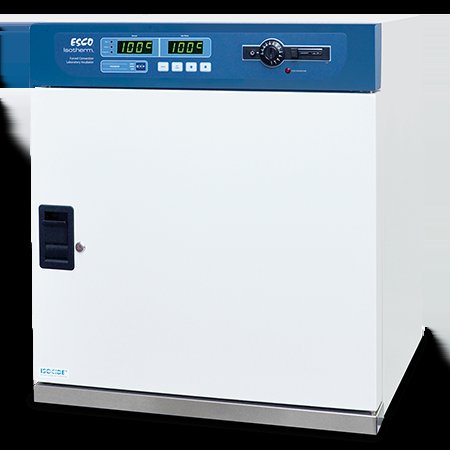
An incubator machine is a game-changer in modern agriculture. It revolutionizes the process of hatching eggs and nurturing young chicks. With precise temperature and humidity control, this innovative tool ensures optimal conditions for growth. Gone are the days of manual monitoring; the incubator machine streamlines the entire incubation process. Its efficiency and reliability make it a must-have for any poultry farmer looking to boost their hatch rates and productivity. Step into the future of poultry farming with the remarkable incubator machine.

The Marvels of Incubator Machines: A Comprehensive Guide
Welcome, young scientists and curious minds! Have you ever wondered how delicate creatures like eggs are carefully nurtured until they hatch into new life? Well, wonder no more because today we are diving into the fascinating world of incubator machines. These incredible devices play a crucial role in creating the perfect environment for life to thrive. So, grab your lab coats and let’s embark on a journey to unravel the mysteries of incubator machines!
Understanding the Basics: What is an Incubator Machine?
First things first, let’s talk about what exactly an incubator machine is. An incubator machine is a specially designed equipment that provides the ideal conditions for eggs, microorganisms, or cells to grow and develop. It mimics the natural environment required for these organisms to hatch, multiply, or undergo specific processes. Think of it as a cozy and controlled home where life can flourish under the watchful eye of scientists and researchers.
The Components of an Incubator Machine
Before we delve deeper into how incubator machines work their magic, let’s take a peek inside to see what makes them tick. An incubator machine typically consists of several key components:
- Temperature Control System
- Humidity Regulation Unit
- Circulation Fans
- Automatic Turner (for egg incubators)
- Monitoring and Display Panel
Types of Incubator Machines
Just like there are different species in the animal kingdom, there are also various types of incubator machines tailored for specific purposes. Here are some common types you might come across:
1. Egg Incubators
Egg incubators are primarily used in poultry farming to hatch chicken, duck, or quail eggs. These specialized machines carefully regulate temperature and humidity levels to ensure that the eggs develop into healthy chicks.
2. Microbiological Incubators
Microbiological incubators provide a warm and controlled environment for the growth of bacteria, yeast, and other microorganisms. They are essential tools in microbiology labs for cultivating cultures and conducting experiments.
3. Infant Incubators
Infant incubators, also known as neonatal incubators, are used in hospitals to care for premature babies or infants requiring special medical attention. These advanced machines monitor vital signs and create a safe space for infants to grow and develop.
How Do Incubator Machines Work?
Now, let’s uncover the secret behind the mesmerizing operation of incubator machines. The magic happens through a combination of precise temperature control, humidity regulation, and ventilation. Let’s break it down step by step:
Step 1: Setting the Ideal Conditions
When eggs or samples are placed inside the machine, the temperature and humidity settings are adjusted to create the perfect environment for incubation. This step is crucial as even slight variations can impact the development process.
Step 2: Maintaining Temperature Stability
The temperature control system of the incubator machine ensures that the heat remains constant throughout the incubation period. This stability is vital for the proper growth and maturation of the organisms inside.
Step 3: Regulating Humidity Levels
Humidity plays a significant role in the development of eggs or cultures. The humidity regulation unit in the machine keeps the moisture level at an optimal range to prevent dehydration or excess moisture, which could be harmful.
Step 4: Providing Adequate Ventilation
Circulation fans inside the incubator machine help maintain proper airflow, preventing the formation of hot or cold spots. This ensures that the entire incubation chamber receives uniform conditions for consistent growth.
The Importance of Incubator Machines in Science
From advancing medical research to preserving endangered species, incubator machines have revolutionized the way we study and protect life on Earth. Here are some key areas where these remarkable devices play a pivotal role:
1. Biomedical Research
In biomedical research, incubator machines are indispensable for culturing cells, growing tissues, and conducting experiments that require controlled conditions. Scientists use these machines to study diseases, test new drugs, and unravel the mysteries of the human body.
2. Agriculture and Poultry Farming
In the agricultural sector, egg incubators are essential for hatching poultry eggs, ensuring a steady supply of healthy chicks for farming operations. These machines help farmers increase productivity and maintain the genetic diversity of their livestock.
3. Conservation Efforts
For conservationists working to save endangered species, incubator machines provide a lifeline for fragile eggs that need special care and protection. By creating safe incubation environments, researchers can increase the survival rates of endangered animals and bolster conservation efforts.
Choosing the Right Incubator Machine
With a myriad of options available in the market, selecting the right incubator machine for your needs can be a daunting task. Here are some factors to consider when choosing the perfect incubator:
1. Capacity and Size
Determine the quantity of eggs, samples, or organisms you need to incubate at a time and choose a machine with adequate capacity. Consider the available space in your lab or facility to ensure the incubator fits comfortably.
2. Temperature and Humidity Control
Look for machines with precise temperature and humidity control features to maintain the ideal conditions for your specific incubation requirements. Opt for models with digital displays and programmable settings for easy monitoring.
3. Additional Features
Some incubator machines come with advanced features like automatic turning, UV sterilization, or data logging capabilities. Evaluate the extra functionalities offered and select a machine that aligns with your research or breeding goals.
In Conclusion
As we reach the end of our exploration into the captivating realm of incubator machines, we hope you’ve gained a deeper appreciation for these extraordinary devices. From nurturing life to driving scientific discoveries, incubator machines stand as silent guardians of growth and innovation. So, next time you see a hatchling emerge from its shell or witness cells multiply in a lab, remember the pivotal role played by these marvels of modern science. Until next time, keep exploring and embracing the wonders of the scientific world!
Wonderful Automatic Egg Incubator – Hatch chick
Frequently Asked Questions
What are the benefits of using an incubator machine for biological research?
An incubator machine provides a controlled environment with precise temperature, humidity, and CO2 levels to support cell culture growth. This helps researchers maintain cell viability and conduct experiments more accurately.
How does an incubator machine help in enhancing the efficiency of microbial fermentation processes?
An incubator machine creates optimal conditions for microbial growth, such as temperature control and a stable environment. This results in faster fermentation processes and higher yields of desired products, contributing to increased efficiency.
Can an incubator machine be used for plant tissue culture applications?
Yes, an incubator machine can be utilized for plant tissue culture by providing the necessary conditions for plant cell growth, such as controlled temperature, lighting, and ventilation. This supports the propagation of plants through tissue culture techniques.
Final Thoughts
In conclusion, the incubator machine revolutionizes the process of nurturing fragile newborns. It provides a controlled environment that mimics the conditions of a mother’s womb. The advanced technology ensures optimal temperature and humidity levels for the baby’s development. In essence, the incubator machine plays a vital role in saving the lives of premature infants.

